

What's expensive is waitingthree months for a website
You aren't paying for the website. You're paying for the wait. Understand the real cost of a project that drags on and what gets a website ready in days.

You aren't paying for the website. You're paying for the wait.
The quote is the visible part of the bill. The invisible part is what happens to your business during the months the website doesn't exist.
Everyone compares websites by price. Almost nobody compares them by timeline — and the timeline is the item that costs the most, because it charges in opportunity, not on an invoice.
Until the project goes live, none of your digital operation starts. There's no traffic to measure, no page to index, no link to send in DMs. The business keeps running on WhatsApp and referrals, exactly as it did before hiring anyone.
What happens during the three months of waiting
Briefing, alignment and layout approval
All the energy goes into meetings and screen reviews. The client approves something that doesn't have final copy yet — and rework starts being generated here, without anyone noticing.
Content becomes the bottleneck
The layout is ready and the copy isn't. Someone has to write it, and that someone is usually the business owner, whose day is already full. The project stalls waiting for the part that isn't technical.
Tweaks, final approval and launch
The site goes live. Only then does what really matters begin: showing up on Google, getting visits, finding out what converts. The whole learning phase is still ahead, not behind.
The indexing clock starts from zero
Search engines and AI take time to understand a new website. Every month of delay in launching is a month postponed in that process — and it doesn't speed up with budget.
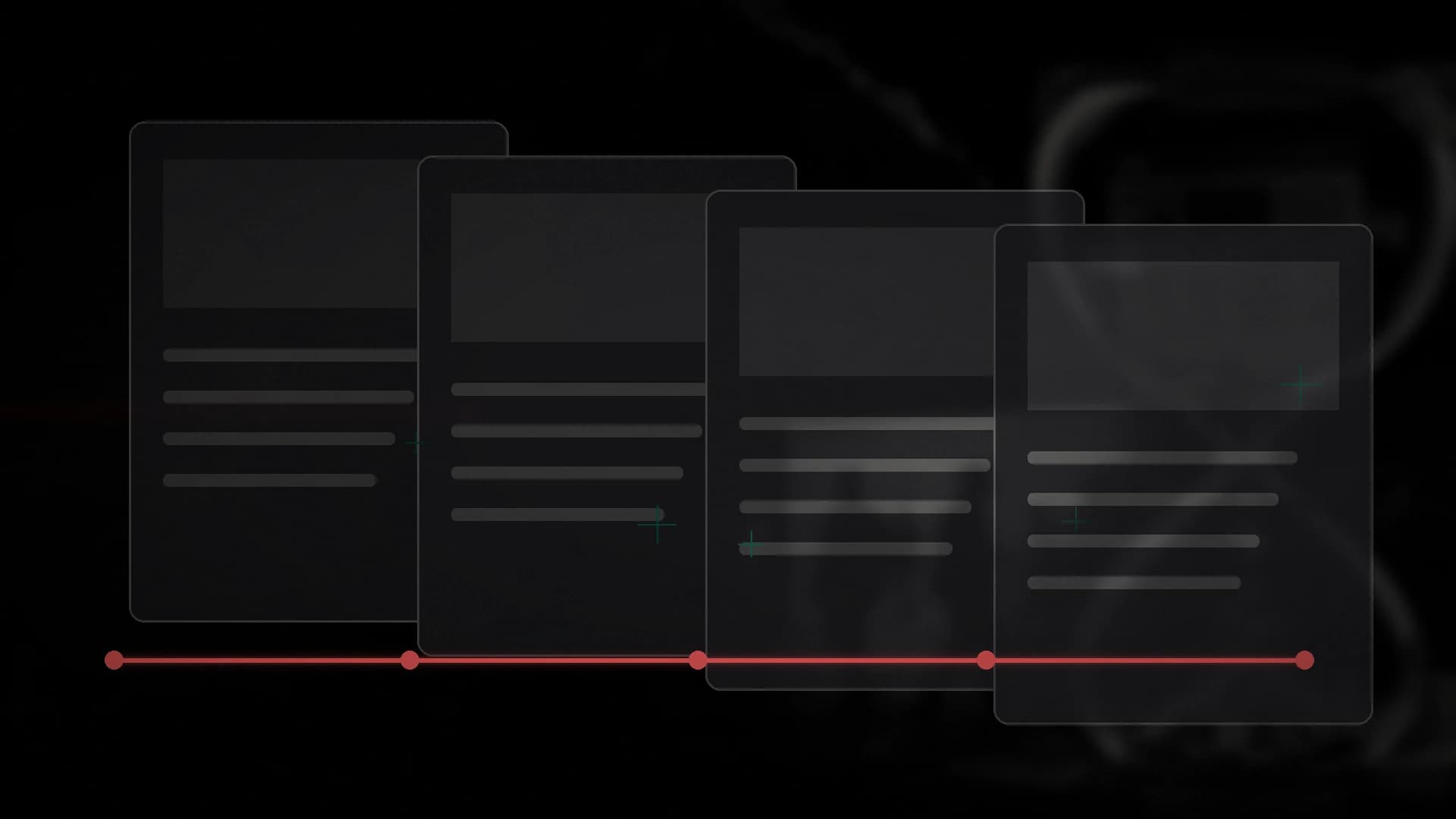
The item that doesn't appear on the quote
That time doesn't come back. And it costs more than the price difference between two proposals.
It's worth saying what the argument here isn't: the problem isn't the professional who takes time, and not every delay is bad. A complex project, with systems and integrations, takes the time it takes.
The problem is when a five-page institutional website drags across a whole quarter because of process, not complexity.
What really makes a project take long
- Designing before writing: the layout is approved with placeholder text and then the real content doesn't fit.
- Meetings as a method: every small decision waits for the next shared calendar slot.
- Scope that grows midway, without renegotiating the timeline.
- Content delegated to someone with no time to produce it — usually the client.
- Starting everything from scratch, including what's already solved on any website (menu, contact, responsiveness).
What gets it ready in days
- Copy approved first: the design receives the real content and doesn't generate rework.
- A ready, tested foundation: structure, responsiveness and performance aren't reinvented for every project.
- AI on the first draft, a person on the review: the draft is born fast and refined by someone who understands the business.
- Scope closed at the start, with what's left for the second phase said out loud.
- Launch and then improve, instead of waiting for perfection to go live.
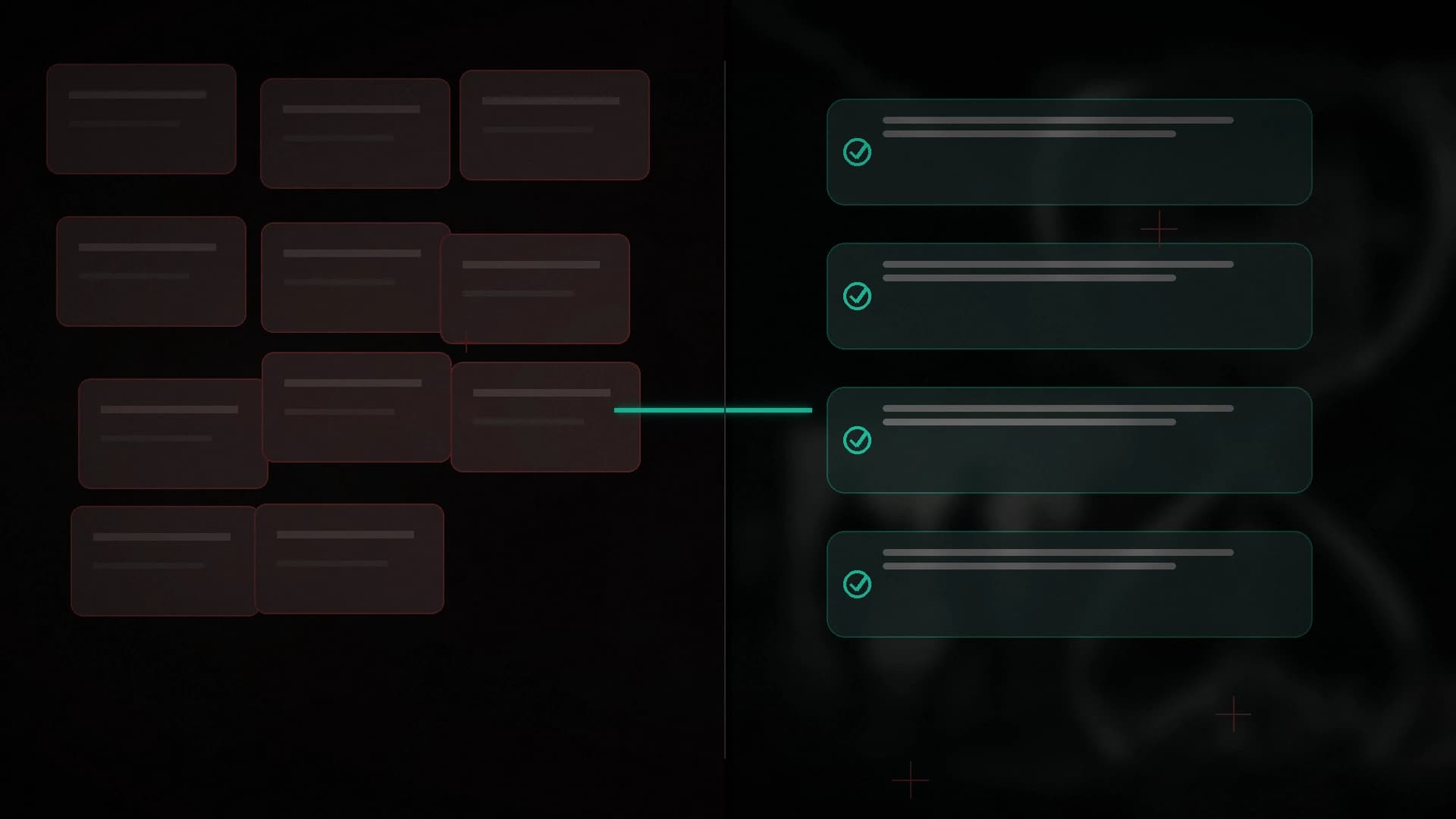
It's this order that changes the timeline. It isn't typing faster, it's not producing the same thing twice. When the copy is approved before the design, the tweaking stage stops being a second round of creation and becomes just refinement.
The practical result: the website goes live while the customer's interest is still warm, and learning starts months earlier.
The question to ask on any proposal
If the answer is "after the layout," you already know where the project will stall. If it's "before," the timeline has a real chance of being met.
Want your website live without it dragging across a quarter?
We approve the content first, build on an already-tested foundation and launch in days — with you following every step.
See how it works