

How to answer "how much does it cost?" in DMs without losing the sale
Answering right away pushes people off. Dodging the question pushes them off even more. Here's a four-step structure to turn the price question into a sales conversation.
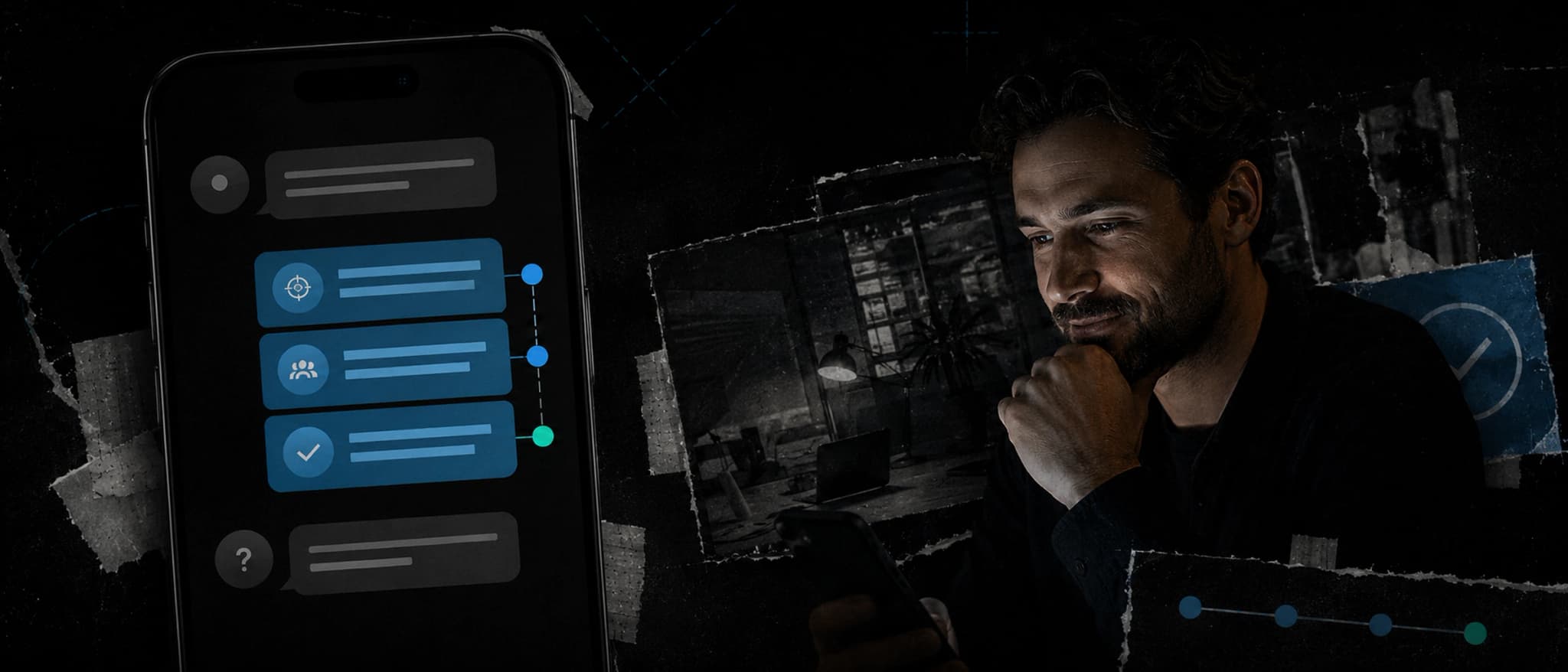
"How much does it cost?" isn't a question about price
It's the question people ask when they don't have enough information to evaluate anything else. Your answer decides whether it becomes a conversation or a goodbye.
There are two classic ways to lose this sale. The first is throwing out the bare number: "R$ X". The person has no context at all to judge whether it's expensive or cheap, so they use the only criterion available — their own — and disappear.
The second is dodging: "it depends, let's set up a call". That sounds like you're hiding something, and turns a simple question into a calendar commitment they didn't ask for.
The middle path exists, and it has a structure.
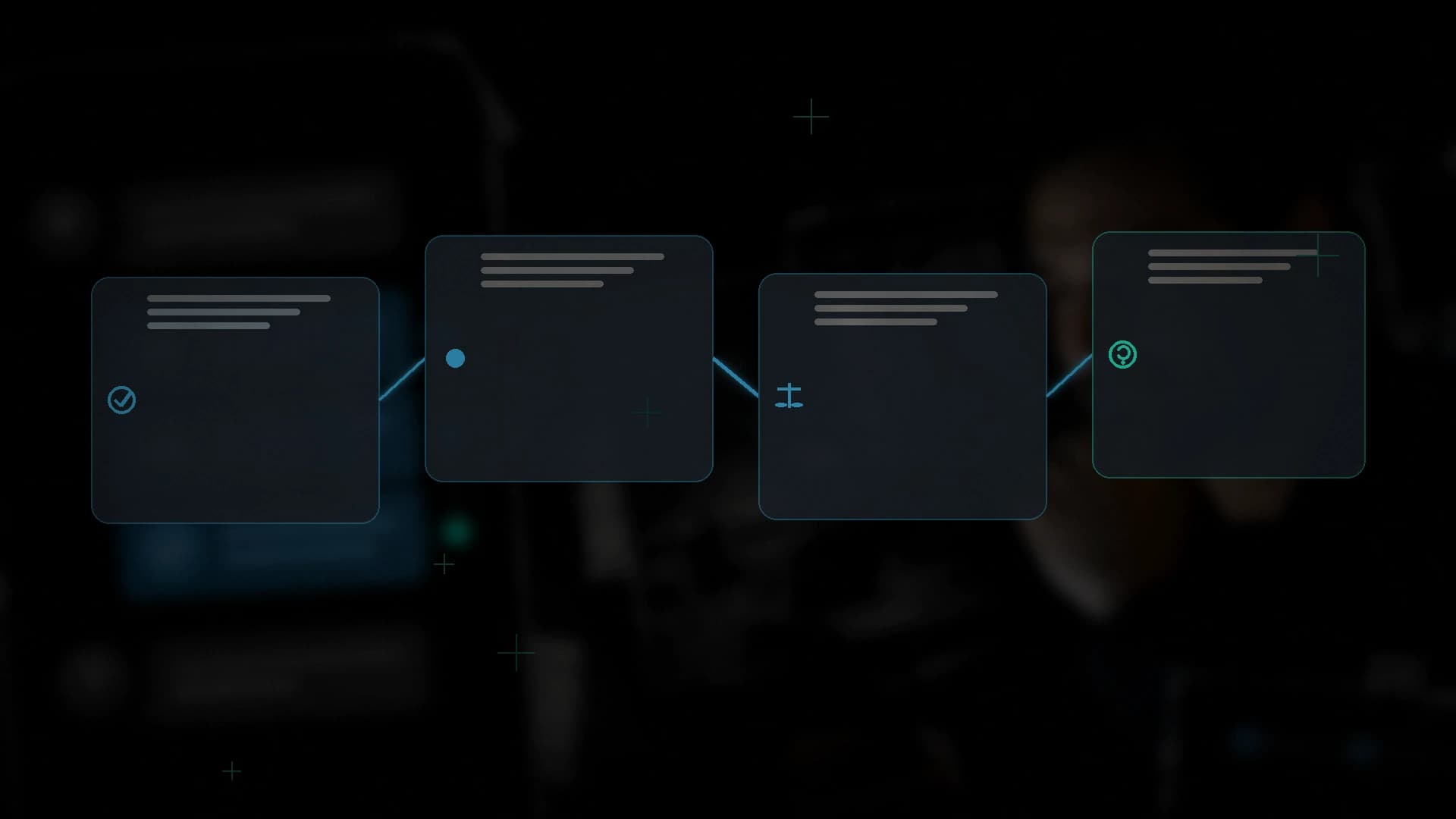
The 4-step structure
- 1Acknowledge the question. Don't deflect: show that you're going to answer.
- 2Give a reference before the number: say what the price depends on, in terms the person understands.
- 3Deliver a range or a starting point, not silence.
- 4Ask back a single question that gets you what's missing to land on the right price.
Why the order matters
If you give the number before the reference, the person evaluates it alone. If you give the reference before the number, they evaluate it with your criteria in mind — and that completely changes how the same price reads.
And the fourth step is what keeps the conversation alive: one question, not three. An interrogation at first contact scares people off as much as a bare price.
Services with variable scope
When the price really depends on the case
"Good question — let me explain how it works. The price varies depending on how many pages the site needs and whether we'll produce the content too. Projects like yours usually fall within a range I can give you now that I understand the size.
Tell me one thing: do you already have the copy and photos, or would you prefer we take care of that part?"
Notice that the criterion mentioned (number of pages, content ready or not) is something the person can answer effortlessly. Technical criteria don't work here.
Services with a fixed price or plan
When there's no reason to hold back the number
"It costs X and includes A, B and C. What usually weighs in the decision is the timeline: it goes live in a few days, with everything reviewed before launch.
Does that make sense for what you need right now?"
Closing with a yes/no question ("does that make sense?") is on purpose: it's easier to answer than an open question, and it keeps the conversation going.
The 3-minute rule
A reply within minutes usually turns into a conversation. A reply the next day usually turns into "thanks, I'll think about it". The best script in the world loses to speed.
This is where the structure meets the operation. Having the answer ready in your head doesn't help if you're serving a customer, driving or sleeping when the message arrives. That's why the first reply is exactly the piece most worth organizing: it needs to happen every time, in the same pattern, whether or not you're available.
What can't happen is the automation closing a price on its own. It acknowledges the question, gives the reference, asks for the missing information — and calls you in for the part that decides.
Mistakes that cancel out any script
- Replying "message us on WhatsApp" when the person is already talking to you.
- Sending the entire price list as an image: they have to interpret it alone.
- Asking three questions at once before giving any reference.
- Promising a proposal "by the end of the day" and not delivering — it breaks trust before it exists.
- Using internal jargon the customer doesn't know to justify the price.
“Price doesn't drive customers away. Price without context does.”
Apply this to the next five people who ask how much it costs and compare with the previous five. It isn't about convincing anyone to pay more — it's about giving people what they need to decide, at the moment they wanted to decide.
Want the first reply to happen every time?
With UzzApp your customer service recognizes the price question, gives the right reference and calls you when the conversation gets serious — 24 hours a day.
Talk to the team