

AI won't take your job. Someone using AI will.
The risk isn't being replaced by a robot. It's competing with someone who does the same work with a layer of help you decided not to use.

The fear is in the wrong place
Nobody loses ground to a tool. They lose it to whoever learned to use it first.
The sentence "AI is going to wipe out my profession" carries a specific image: a machine doing your entire job, start to finish, on its own. That image is comfortable precisely because it's unlikely — and while we argue about it, we stop looking at what is already happening.
What really happens is simpler and less dramatic: two people with the same skills deliver at different paces, because one of them stopped doing by hand the part that didn't need a human hand.
“AI accelerates, you lead.”
The word that matters in that sentence is lead. AI is good at volume, repetition and first drafts. It's bad at your business's context, at judgment and at accountability. It quickly produces something average; turning average into good is still the work of people who know the subject.
Whoever confuses the two gets it wrong on both sides: either they outsource the decision to the tool and deliver something generic, or they refuse the tool and deliver slowly.
What moves (it doesn't disappear)
- Writing the first draft → becomes reviewing and sharpening the first draft.
- Searching for information → becomes checking whether the information is right.
- Summarizing a meeting → becomes deciding what to do with what was summarized.
- Answering the same question for the twentieth time → becomes handling the cases that fall outside the pattern.
- Producing volume → becomes defining quality criteria and making sure they were met.
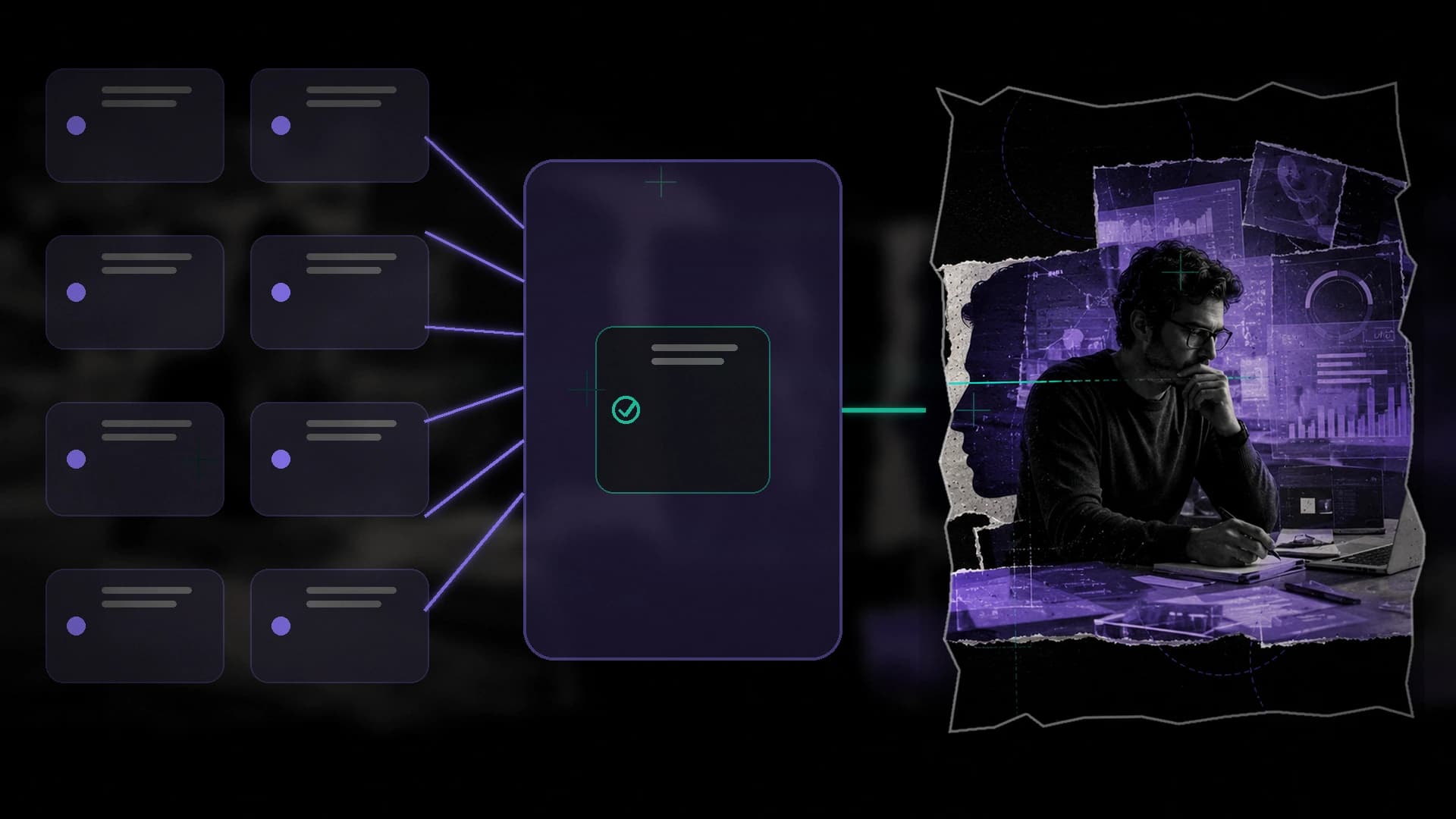
Notice the pattern: in every case the operational task goes out and a judgment task comes in. That isn't an optimistic promise — it's a new requirement. Whoever hasn't developed judgment about their own work ends up worse off, because they lose the mechanical part and have no judgment to offer.
The honest test
The second column is where AI comes in. If it takes up most of your week, the problem isn't the technology — it's that your time is being spent where it adds the least value.
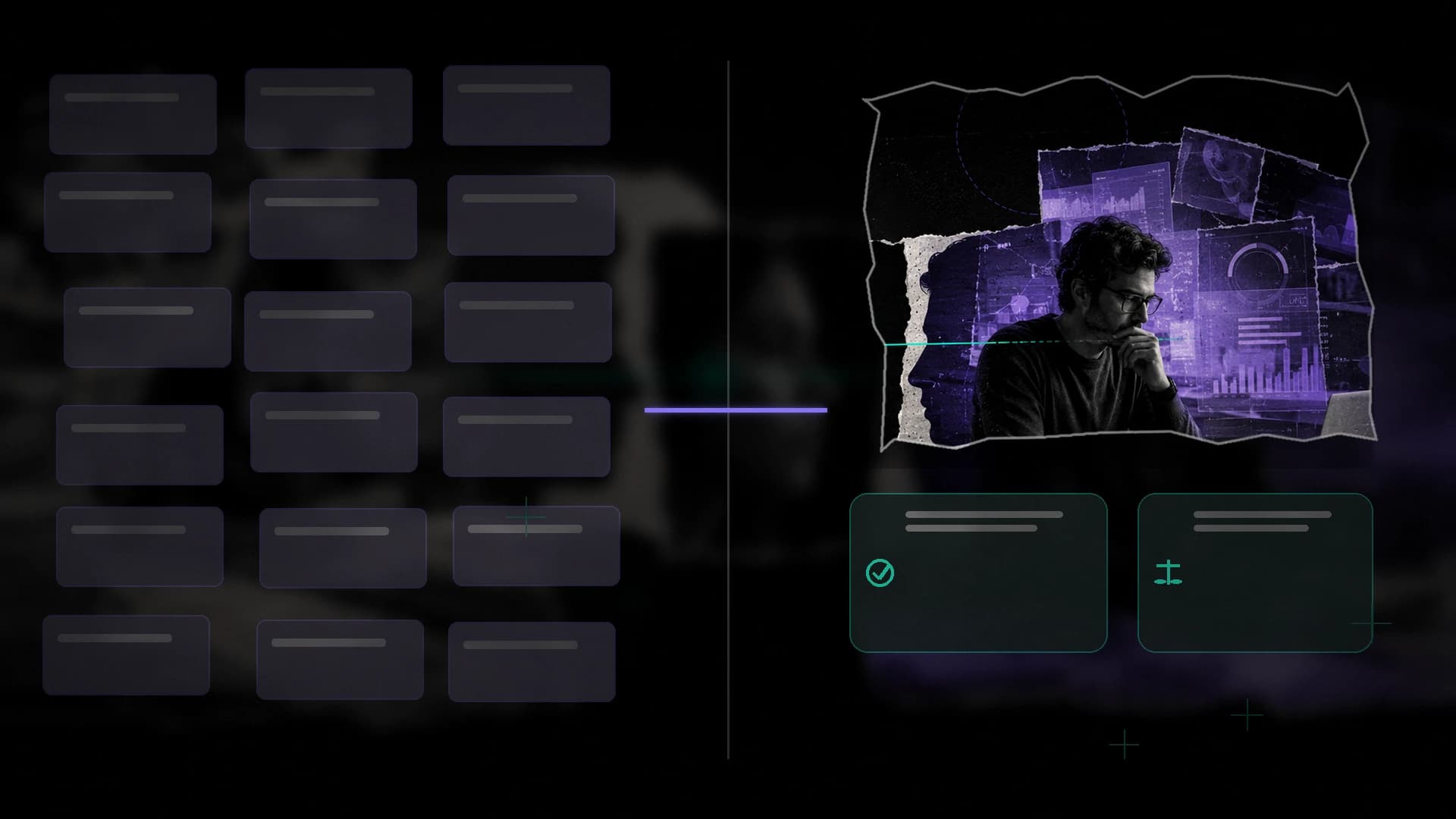
For business owners, the reading is the same under another name. The question isn't "will I replace my team with AI?". It's "where is my team spending time on things that don't need people?". Every minute given back there returns to customer service, relationships and decisions — the three things nobody automates without losing quality.
How to start without becoming hostage to the tool
- Pick one repetitive task from your week and use AI only on it, for ten days.
- Define beforehand what can't happen: where the answer has to go through you.
- Keep what worked. A good instruction is an asset — reuse it instead of rewriting it.
- Compare the result with what you'd have done alone, not with an expectation of perfection.
- Keep the final judgment human on anything involving money, deadlines or relationships.
There's no shortcut to judgment, and that's exactly why it's the safe part. Tools change every year; understanding your own business doesn't.
Want to build this into your operation?
We help identify what can be automated without losing the human touch — and where the decision needs to stay yours.
Talk to the team