

Content First: why the text comes before the design
Most projects approve the layout with placeholder text and find the problem later. We reversed the order — and rework practically disappeared.
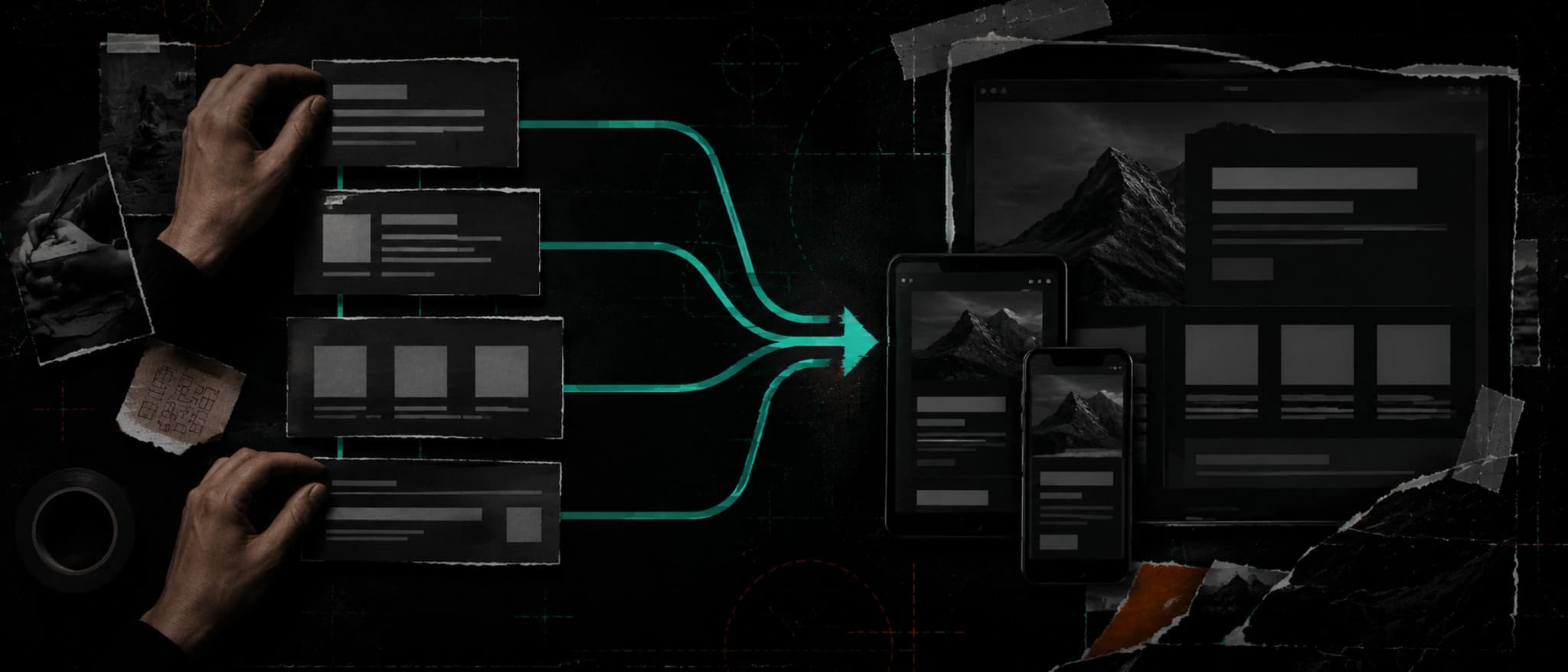
The order almost every website project gets wrong
Designing first and writing later seems faster. It's what makes the project drag across a whole quarter.
The industry's standard flow is this: meeting, layout, layout approval, and only then does someone ask "what about the copy?". The client approves screens filled with sample sentences, likes what they see, and the project moves forward with a hidden debt.
When the real text arrives, it doesn't fit. The real headline has twice as many words. The section that seemed to have three items has seven. The catchy phrase doesn't exist, because the business is specific and wouldn't fit in five words. Then the approved layout has to be redone — and the rework becomes an "adjustment," with a deadline nobody agreed on.
The reversal
The design gets the real content from the very first draft. There's no moment of discovering it "doesn't fit" — because what goes on the screen is already what stays.
Content
This is where the client decides what the website will say
It's the moment when the conversation is about business, not visual taste. The client approves sentences, not fonts. And when they read the finished text, they almost always notice something they want to change in the offer — which is much cheaper to change here than later.
Design
The screen is built on top of the final content
At this stage there's no guessing about content. The discussion is about weight, rhythm and readability — and it stays short, because it isn't trying to solve two problems at once.
Review
One round, not an endless negotiation
What usually comes up here are small word and spacing tweaks. What doesn't come up is "I think the page should say something else" — that decision was already made in step 1.
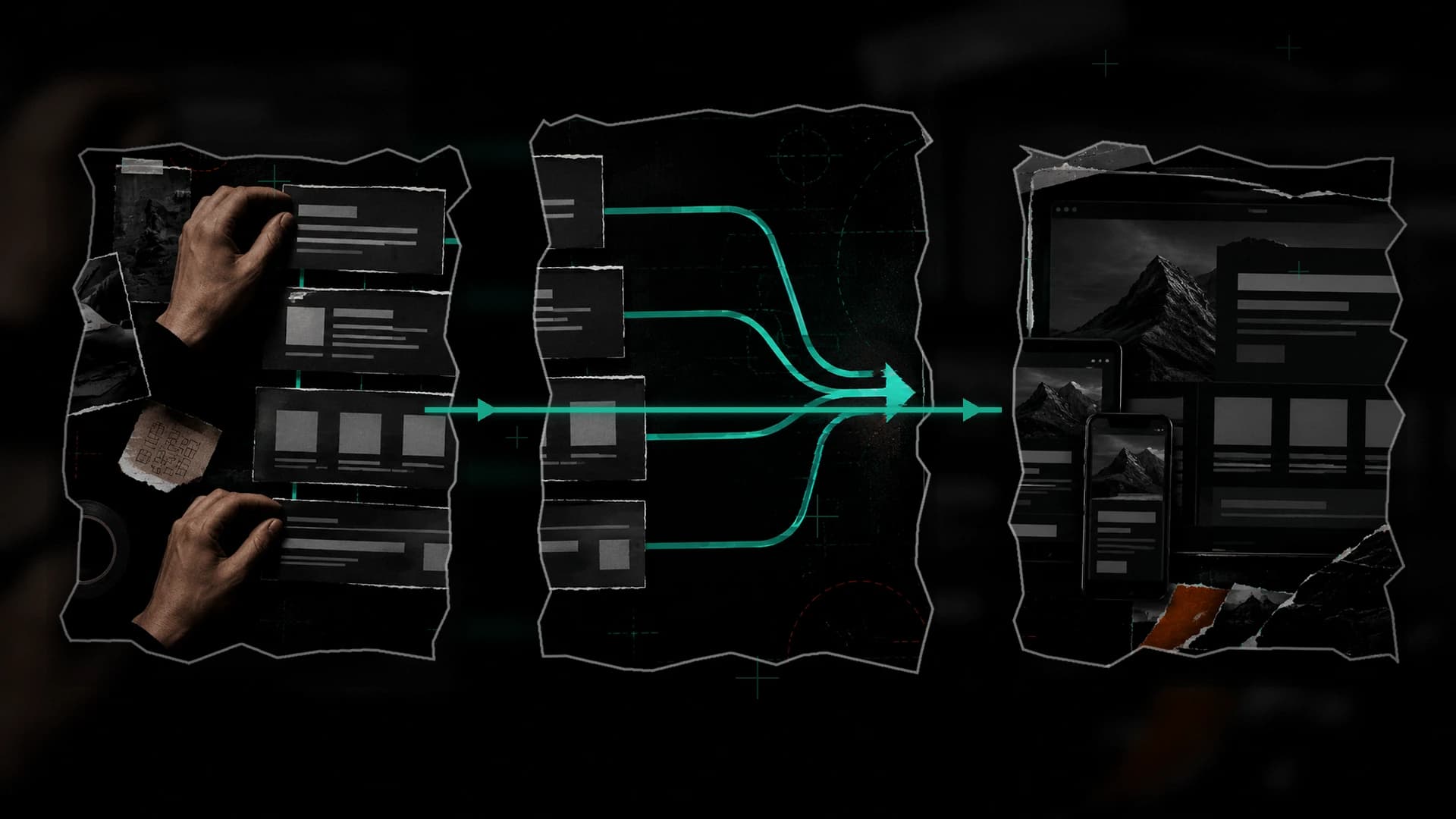
The most useful side effect of this method is transparency. At any moment the client knows exactly what is being decided: first what to say, then how to show it. There's no feeling of approving something half-done.
And there's a gain that only shows up later: the site goes live with copy written for search and for people who actually read. Content written at the end, in a hurry, is generic content — and generic content is neither found nor cited.
“A beautiful layout with placeholder text is a mock-up. It becomes a project when the content is real.”
What you gain with this order
- Zero layout rework because of text that doesn't fit.
- A deadline that holds, because the step that usually stalls comes first.
- Business decisions separated from visual decisions — each at the right time.
- Content written to be found on Google and cited by AI, not filled in at the last minute.
- A calmer approval: you already knew what would be written there.
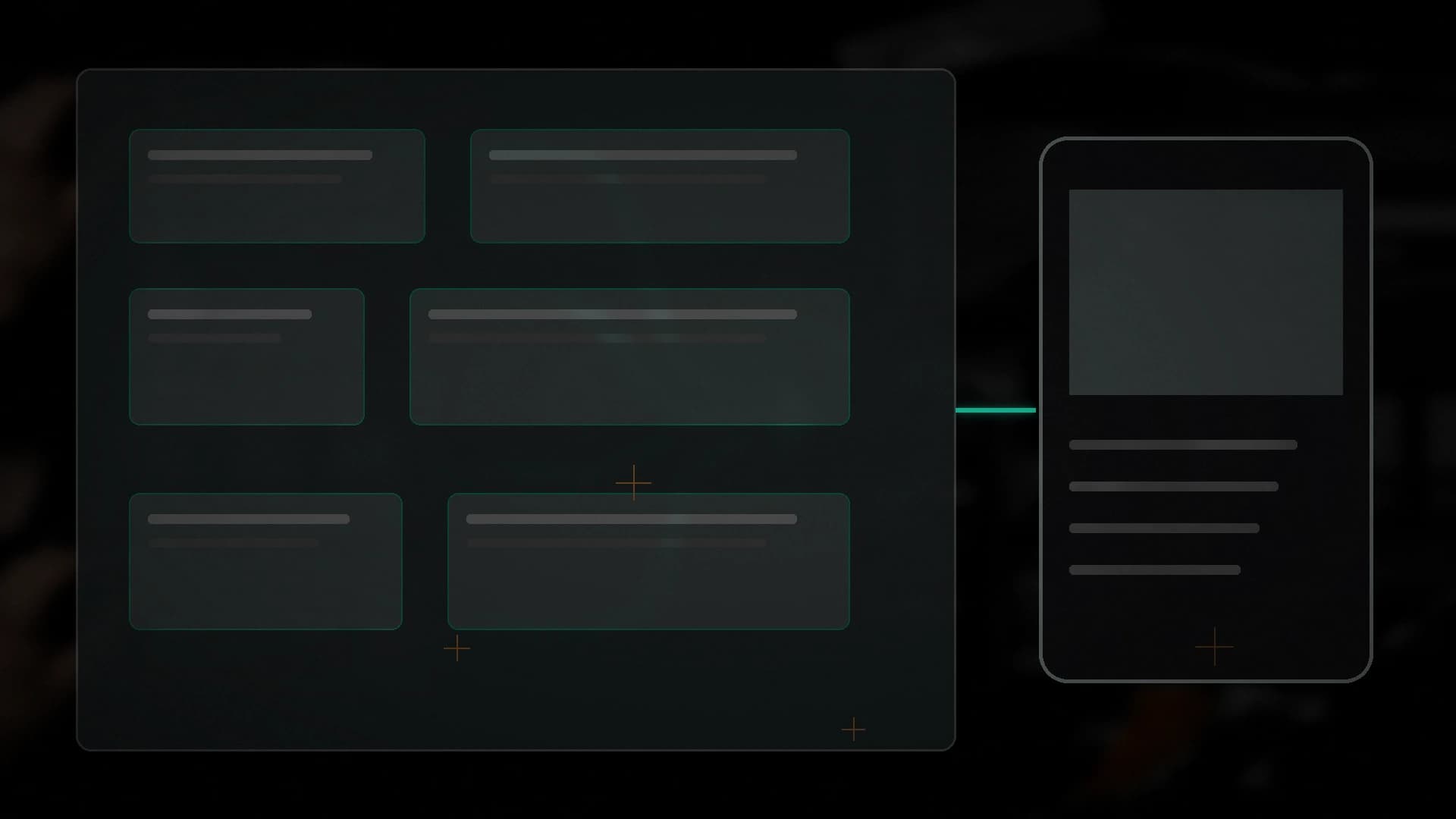
How to apply this even without us
If the supplier resists, you've just found out where their deadline is going to blow up.
Want to see the method applied to your project?
We start with the copy, approve it with you and only then design — with a deadline that holds and no endless rounds of tweaks.
Talk to the team